
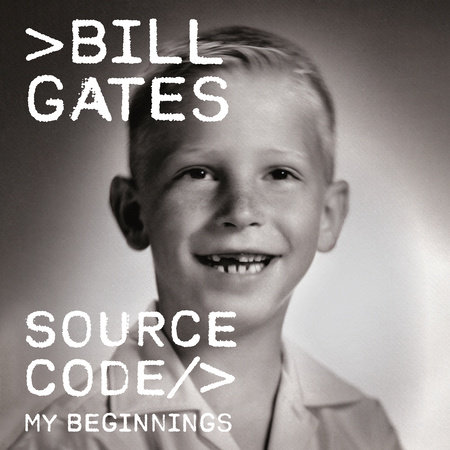
In Source Code: My Beginnings, Bill Gates rewinds to the start of his fascination with machines and the long, messy run-up to Microsoft. The book is more personal scrapbook than corporate history: childhood letters from Lakeside, diary entries from Harvard, and frank notes about flunking out of classes because the computer room was more interesting. Reading it felt less like a polished origin story and more like sitting with Gates as he flips through a box of artifacts and tells you why each one mattered.
The strongest thread is curiosity, bordering on obsession. Gates keeps returning to the thrill of finding the edge cases in code and the discipline of writing “tight, fast, and correct” programs when memory was counted in kilobytes. His descriptions of pulling all-nighters with Paul Allen to squeeze BASIC into the Altair are vivid and technical without getting bogged down; I could almost feel the mix of adrenaline and panic as they raced MITS’ release date. He also owns the sharp elbows that came with that drive—how competition with peers pushed him and sometimes made him insufferable.
What surprised me most was the vulnerability. Gates admits he coasted on talent in school until teachers called him out, and he shares notes from early girlfriends and roommates that paint him as brilliant but prickly. You also see him wrestling with risk and leverage long before Microsoft was a sure thing. Those moments humanize a figure who often feels abstract.
Overall, Source Code is an engaging read that blends nostalgia with a candid look at how a particular kind of curiosity can shape a life. If you enjoy origin stories, computer history, or leadership lessons pulled from real diary entries instead of sanitized anecdotes, this delivers. I closed the book wanting to dig back into old side projects and also to check my own “sharp elbows” at the door.
I listened to the audiobook version, narrated by Wil Wheaton, and I have to admit that seeing Wheaton’s name under “Narrator” attracted me to the audiobook perhaps even a little more than my attraction to the book itself. His narration added a layer of warmth and personality to Gates’ story. His voice brought out the humor and humility in Gates’ reflections, enhancing what was already a surprisingly intimate look at the early life of one of the most influential figures of the 20th century. The pacing was well done, keeping me engaged throughout the various anecdotes and historical contexts. If you have the option, I recommend experiencing Source Code in audio form for an added dimension to the storytelling. The prologue and epilogue narrated by Gates himself are also a nice touch. However, you may also enjoy checking out the photos sprinkled throughout the print and ebook editions.
I highly recommend this book for anyone interested in the early days of personal computing, the mindset of a tech pioneer, or just a well-told memoir of curiosity and ambition.